Maersk Latin America Market Update – November, 2026
Beyond Resilience: how supply chain capabilities support growth in Latin America
Latin America continues to offer significant opportunities for companies looking to expand into new markets, strengthen regional and global value chains, and participate in evolving trade flows. At the same time, organizations across the region operate in an environment shaped by economic volatility, regulatory changes, infrastructure constraints, extreme weather events, and ongoing transformations in global trade. Navigating this environment requires companies to balance the pursuit of new opportunities with the need to maintain stable and responsive operations.
In recent years, companies have invested in supply chain capabilities such as resilience, flexibility, and reliability to navigate this growing complexity. Initially, these capabilities were developed primarily to protect operations from disruptions, reduce vulnerabilities, and support business continuity. Today, however, organizations are increasingly considering them from a broader perspective: their ability to improve business performance, strengthen customer relationships, and support growth.
This evolution reflects an increasingly evident reality across Latin America. As opportunities emerge across different markets, industries, and trade corridors, companies must do more than protect their operations. They must also respond quickly to changing demand, adapt their supply chain networks, maintain consistent service, and preserve customer trust. Beyond risk mitigation, resilience, flexibility, and reliability are becoming strategic capabilities that can help organizations compete more effectively, capture emerging opportunities, and create sustainable value in a constantly evolving business environment.
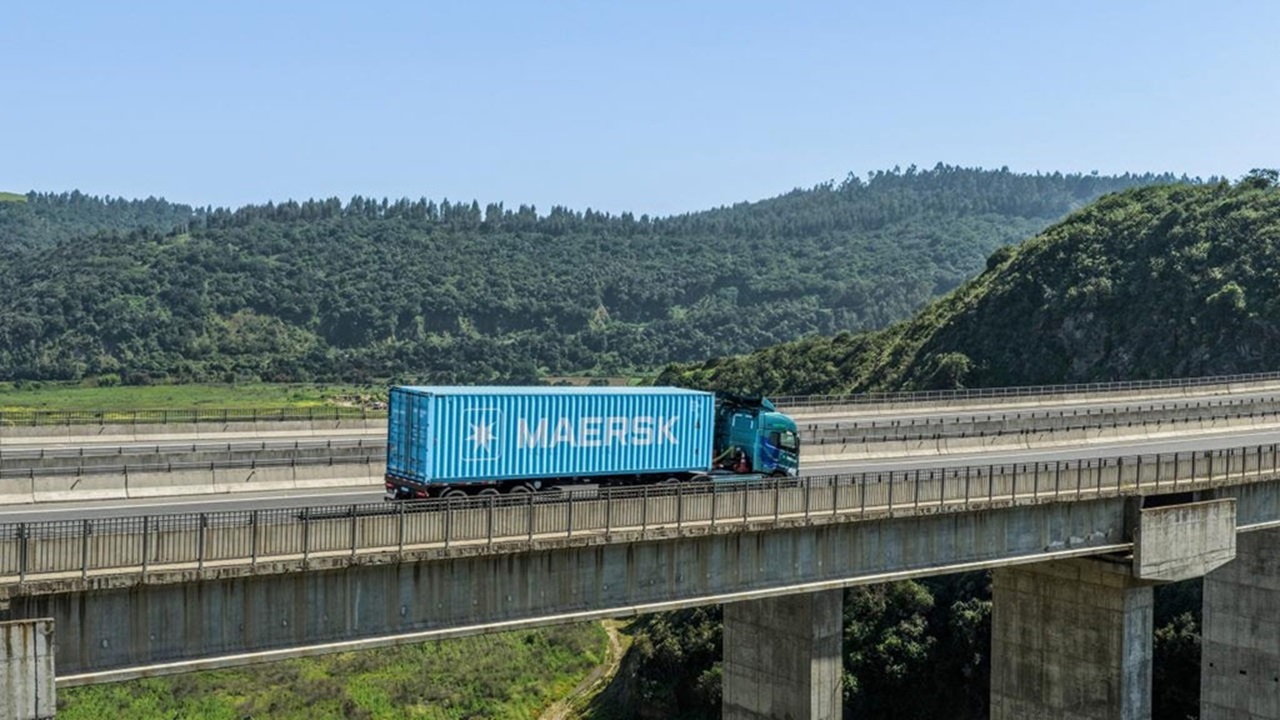
Resilience: from operational protection to value creation
For many years, investments in supply chain resilience were largely viewed as a necessary cost. Diversifying suppliers, establishing alternative transportation routes, increasing inventory buffers, and strengthening operational visibility required additional resources to reduce exposure to disruptions. Because the value of these investments was most visible during a crisis, resilience was often treated primarily as operational protection rather than as a contributor to everyday business performance.
That perception has changed as disruption has become a more persistent feature of the operating environment. For companies in Latin America, geopolitical pressures, variable transportation capacity, infrastructure constraints, extreme weather events, and changing trade policies can influence transportation costs, cargo flows, and service reliability. In April 2026, for example, global liner schedule reliability stood at 62.4%, while average vessel delays exceeded. Although this was a global indicator, its implications extend to Latin American importers and exporters that depend on international maritime connections for access to suppliers and destination markets.
In this environment, resilience involves more than recovering after a disruption. It includes the ability to anticipate potential risks, identify alternative suppliers and routes, improve end-to-end visibility, and make timely decisions when operating conditions change. These capabilities can help companies reduce the duration and impact of interruptions while maintaining greater continuity for customers. They are particularly relevant in Latin America, where long transportation distances, dependence on global trade corridors, infrastructure disparities, and exposure to climate-sensitive export flows can complicate supply chain planning.
Evidence also indicates that changes intended to strengthen resilience can deliver broader operational benefits. A 2024 survey by Gartner, covering 437 senior supply chain professionals across Latin America, North America, Europe, and Asia-Pacific, found that 73% of companies had added or removed production locations from their networks during the previous two years. Resilience and redundancy were cited as the leading reason for these changes by 46% of respondents, followed by agility and flexibility at 43% and cost efficiency at 41%. Among the organizations that modified their networks, 90% reported meeting or exceeding their expected benefits, including improved service, lower costs, and greater agility.
The results do not mean that every resilience investment will automatically generate value. Diversification can increase operating complexity, alternative routes may involve higher transportation costs, and additional inventory can tie up working capital. The business case therefore depends on balancing the cost of preparedness with the potential consequences of disruption. Companies can evaluate that balance through indicators such as on-time, in-full delivery, recovery time, inventory turnover, expedited freight expenses, and the revenue protected when alternative supply or transportation options are activated.
For organizations operating across Latin America, this represents the next stage in the evolution of resilience. Capabilities originally developed to protect business continuity can also support stronger service, faster decision-making, and greater responsiveness to market demand. When effectively integrated into network design and day-to-day planning, resilience becomes more than a defensive measure. It becomes a capability that can help companies serve customers consistently, adapt to changing trade conditions, and pursue growth opportunities with greater confidence.
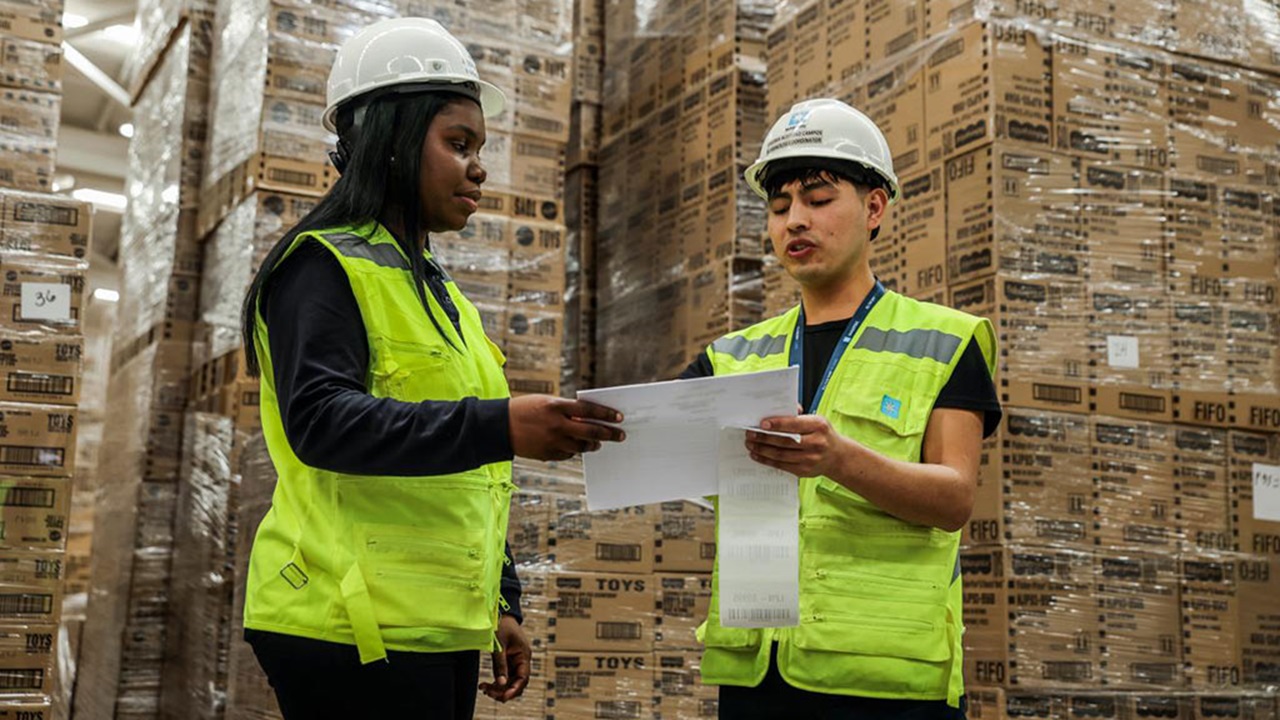
Flexibility is becoming a competitive advantage
In Latin America and the Caribbean, growth opportunities do not always emerge in a linear or predictable way. Changes in global demand, commodity prices, sourcing patterns, and trade corridors can rapidly alter where and how goods need to move. While efficiency remains essential, companies also need the flexibility to adjust sourcing, transportation routes, inventory strategies, and distribution capacity as market conditions evolve.
The region’s export performance in early 2026 illustrates this dynamic. According to the Inter-American Development Bank, the value of goods exported from Latin America and the Caribbean increased by 15.7% year on year in the first quarter of 2026, following growth of 7.8% in 2025. The increase reflected stronger export volumes and prices, led primarily by mining products such as gold and copper, agribusiness products including soybeans, coffee, and meat, and contributions from oil exports. However, performance varied considerably among countries and subregions, demonstrating that regional growth does not translate into uniform demand or logistics requirements across every market.
Developments in global trade reinforce the importance of adaptability. The World Trade Organization reported that global merchandise trade volume grew by 3.5% in the first half of 2026 despite disruptions affecting energy, fertilizer, and transport markets. Supply chains responded by increasing shipments from alternative suppliers and rerouting trade flows through different ports and corridors. This ability to adjust helped limit the wider impact of the disruptions, although the effects were uneven across products, services, and regions.
For companies operating in Latin America, these developments highlight why flexibility is becoming a competitive capability. Organizations that can evaluate alternative suppliers, routes, transport modes, and inventory positions are better equipped to respond when demand shifts or constraints emerge. Flexibility does not mean continuously changing the network. It means developing practical options before they are needed, supporting faster decisions while balancing service requirements, operational costs, and exposure to disruption. In a market where opportunities can emerge quickly but unevenly, this capacity can help companies respond with greater confidence and convert changing trade conditions into sustainable growth.
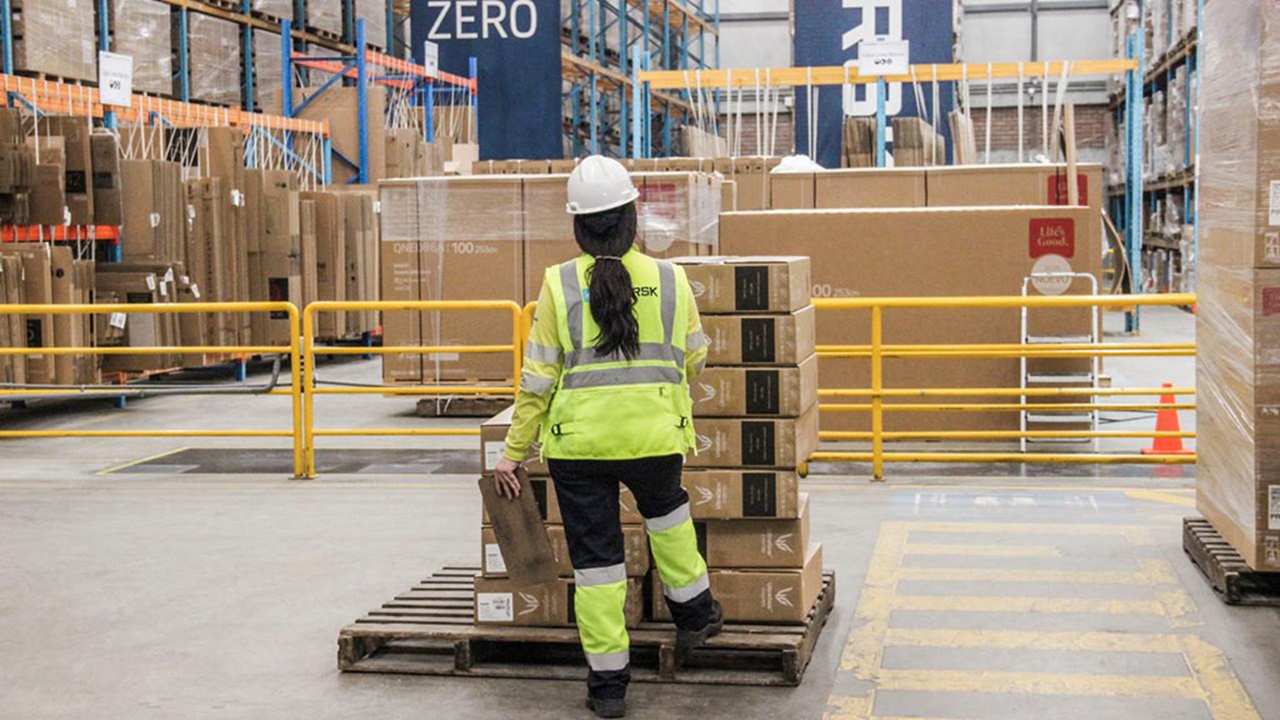
Reliability is becoming a source of trust
Building resilient and flexible operations is only part of the equation. Sustainable growth also depends on executing consistently and meeting the commitments made to customers. For companies operating in Latin America, reliability can involve delivering within agreed timeframes, maintaining order accuracy, providing shipment visibility, and communicating promptly when conditions change. These capabilities are especially important in complex regional and international networks, where a disruption in one part of the supply chain can affect production schedules, inventory availability, and customer service elsewhere.
Reliability therefore extends beyond whether an individual shipment arrives on time. Delays, inconsistent performance, or incomplete communication can make it more difficult for customers to plan their own operations and manage expectations with their customers. Conversely, predictable execution and proactive communication provide greater certainty, even when external conditions prevent the original plan from being fulfilled. Over time, that consistency can strengthen commercial relationships and make the supply chain an important part of the company’s value proposition.
Research from EY reinforces this connection between supply chain performance and customer experience. In its 2024 survey, 81% of respondents recognized the essential role of the supply chain in fulfilling customer demands, while 78% of companies remained more focused on internal operations than on customer experience. The findings suggest that companies have an opportunity to move beyond internally focused measures and evaluate reliability from the customer’s perspective.
For organizations across Latin America, this means assessing not only cost and speed, but also delivery predictability, order accuracy, visibility, and the quality of exception management. Reliability is not the absence of disruption. It is the ability to execute consistently, communicate transparently, and manage deviations effectively. When customers can plan with greater confidence, operational performance becomes a source of trust, supporting stronger relationships and more sustainable growth.
For companies operating in Latin America, resilience, flexibility, and reliability are increasingly interconnected. Resilience helps protect continuity when disruptions occur, flexibility enables organizations to respond as market conditions change, and reliability turns operational execution into customer confidence. Together, these capabilities can strengthen the supply chain’s contribution to service, competitiveness, and long-term growth.
Realizing that value requires deliberate choices. Additional suppliers, alternative routes, inventory buffers, and greater visibility can improve preparedness, but they can also increase cost and complexity. Companies therefore need to determine which capabilities matter most for their customers, products, and markets, and measure their impact through both operational and customer-focused indicators.
The next stage of supply chain development in Latin America is not simply about eliminating disruption, which is rarely possible. It is about building operations that can absorb change, adapt as opportunities emerge, and continue to meet customer commitments. Organizations that balance these capabilities effectively will be better positioned to navigate uncertainty, strengthen business relationships, and pursue sustainable growth across the region.
Ocean updates
| Trade lane | Highlights |
|---|---|
| Trade lane West Coast South America Exports | Highlights Port operations across the West Coast of South America remain active, with regional planning and terminal coordination supporting continued cargo flows and service continuity. |
| Trade lane West Coast South America Imports | Highlights The updated weekly service connecting Far East Asia with the West Coast of South America continues to provide direct coverage through key ports in Mexico, Colombia and Panama. |
| Trade lane West Coast Asia to West Coast South America | Highlights The weekly service configuration continues to connect Shanghai and Yokohama with Lázaro Cárdenas, Buenaventura and Balboa, supporting consistent network coverage between Asia and the West Coast of Latin America. |
| Trade lane Asia to East Coast South America | Highlights Maersk will transition its Asia to East Coast South America network following the end of the current joint service arrangement, with the final departure under that arrangement scheduled from Shanghai on December 8. Maersk’s dedicated Asia to East Coast South America service will continue operating and maintaining existing trade coverage. |
| Trade lane Europe to East Coast South America | Highlights The enhanced service configuration continues to provide direct connectivity between Northern Europe and Itapoá, with Rio Grande available through transshipment. Updated port windows support schedule predictability and network resilience. |
| Trade lane West Coast Asia to East Coast South America | Highlights The network connecting Asia and the East Coast of South America remains in operation, with Maersk maintaining its dedicated service and existing geographic coverage. |
| Trade lane East Coast South America to Europe | Highlights The enhanced rotation continues to connect Santos, Paranaguá, Buenos Aires, Montevideo and Itapoá with key Northern European ports, while the Mediterranean service maintains direct calls at Itajaí. |
| Trade lane West Coast to Intra-Americas | Highlights Regional West Coast South America operations remain active and connected, with operational planning and terminal coordination supporting service continuity across key gateways. |
| Trade lane North America to Intra-Americas | Highlights The Gulf Ocean Express service added Freeport, Texas, to its weekly southbound rotation from October 21, providing connections from Houston, New Orleans and Freeport to Puerto Barrios, Puerto Cortés and Manzanillo, Panama. |
| Trade lane Intra-America to Caribbean | Highlights Operations across Central America and the Caribbean continue with stable vessel activity and regular terminal performance, supported by infrastructure improvements and berth-window management initiatives at key regional ports. |
| Trade lane Central America to North America | Highlights The Gulf Ocean Express service added Freeport, Texas, to its weekly northbound rotation from October 21, connecting Puerto Barrios, Puerto Cortés and Manzanillo, Panama, with Houston, New Orleans and Freeport. |
| Trade lane East Coast of South America to Intra-Americas | Highlights Services connecting the East Coast of South America with the Caribbean, United States Gulf and West Coast of South America continue to support regional connectivity. Regional port operations remain generally stable, with operational coordination focused on protecting vessel schedules and cargo flows. |
Main port status
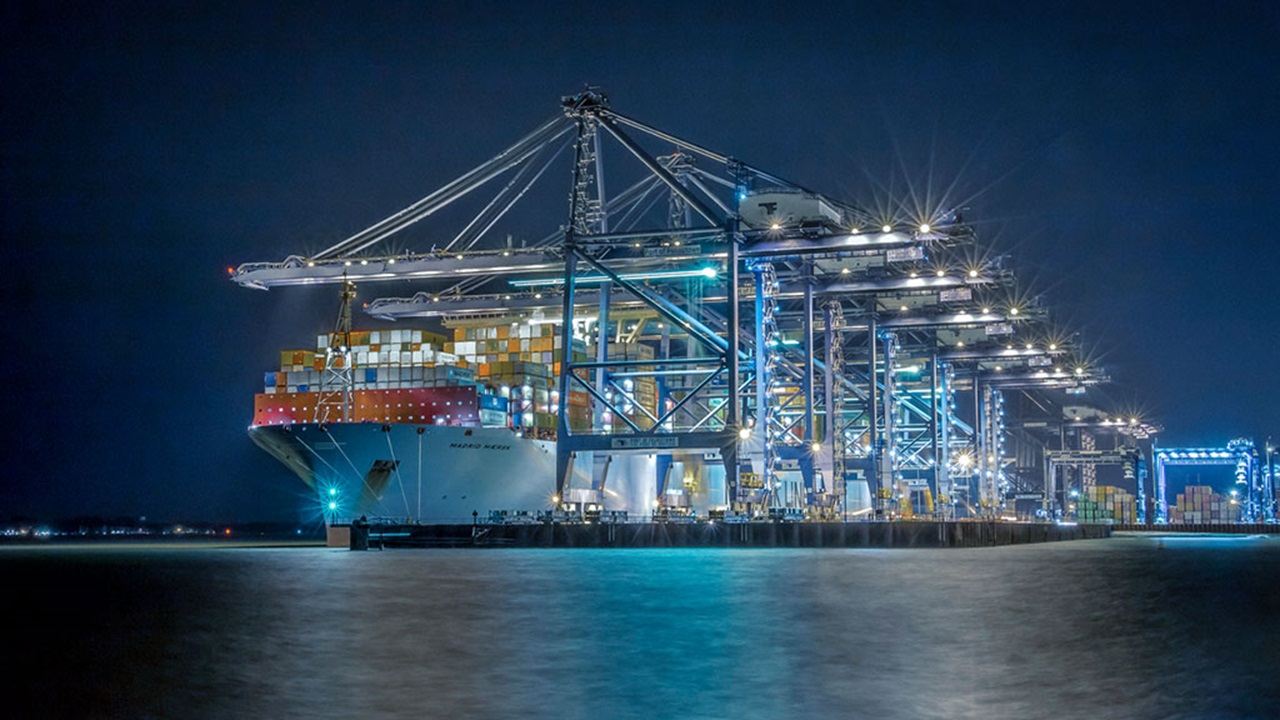
Central America, Andina and the Caribbean Sea Area: Operations remain stable across key ports in Central America and the Caribbean, with terminals continuing to manage vessel activity and yard flows. Operational conditions remain under regular monitoring as the region moves through the seasonal weather period.
East Coast South America Area: Operations across East Coast South America remain generally stable, with key ports maintaining regular activity. Operational and weather conditions continue to be closely monitored to support service continuity.
West Coast South America Area:Port operations across West Coast South America remain generally stable, with key gateways maintaining regular activity. Local operating conditions continue to be monitored to support consistent port operations. .
Landside
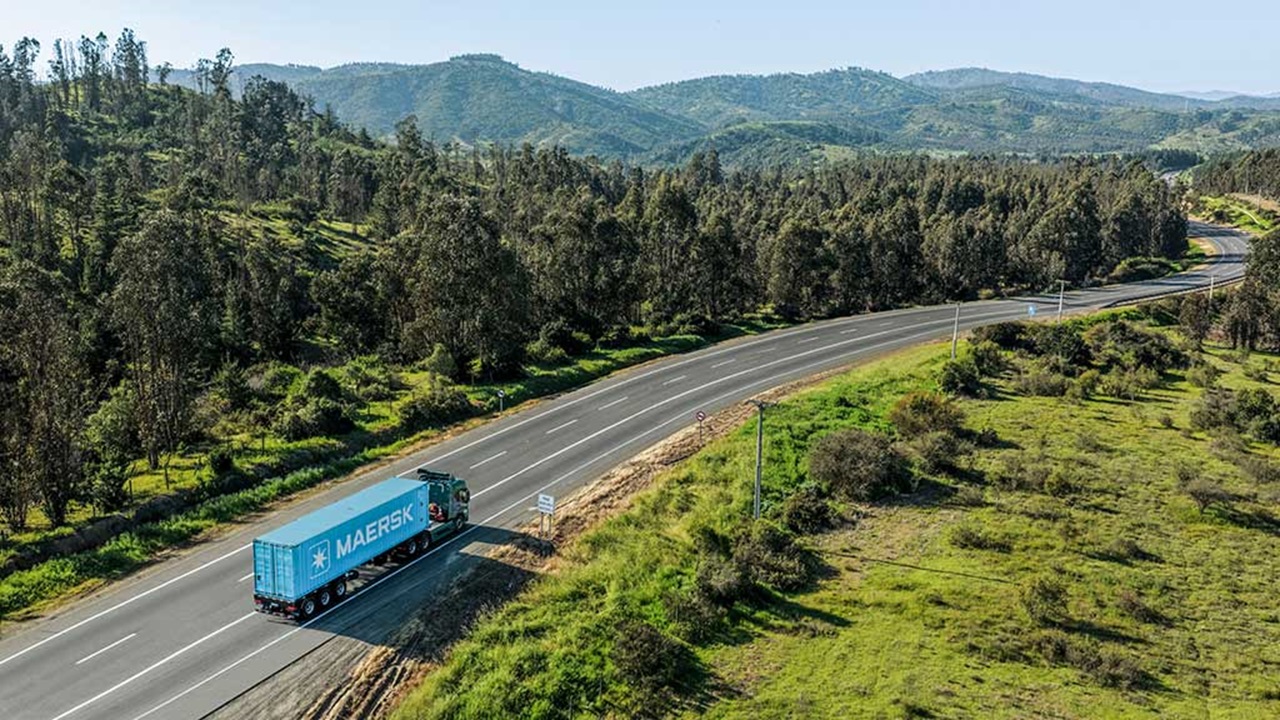
Central America, Andina and the Caribbean Sea Area:Central America continues to advance the modernization of regional trade through the Central American Digital Trade Platform and coordinated border management initiatives. Customs harmonization, process digitalization, and cross-border coordination support greater standardization of cargo movements and improved visibility across inland transportation networks, contributing to efficient and connected regional trade flows.
East Costa South América Área:Brazil continues to strengthen its trade facilitation framework through the expansion of digital customs processes and the modernization of its foreign trade systems. The Single Foreign Trade Portal integrates import processes and documentation, supporting streamlined procedures and greater visibility while contributing to efficient logistics and supply chain operations across the country.
West Costa South América Área:West Coast South America continues to advance customs facilitation initiatives focused on supply chain security, operational efficiency, and international trade coordination. In Peru, the Authorized Economic Operator Program supports trusted trade practices through simplified processes, reduced customs controls, and priority processing, contributing to secure and efficient cargo flows.
Highlights
Beyond Visibility: How AI Is Transforming Supply Chain Decision-Making
Customers, technology leaders and supply chain experts explore what it takes to move from more data to better decisions and why the future of AI in logistics will depend on technology, human judgment and collaboration.
The Numbers behind Latin America´s Logistics Transformation
A data-led overview of the market forces transforming logistics across Latin America, highlighting how trade diversification, regulatory evolution, AI, demographic shifts and changing consumer expectations are reshaping supply chain decisions across the region.
Learn more from the global Maersk team
Learn what’s happening in our regions by reading our Market Updates by region.
Europe
North America
Asia Pacific
India Middle East Asia
Be sure to visit our “Insights” pages where we explore the latest trends in supply chain digitalisation, sustainability, growth, resilience, and integrated logistics.
Link Original:https://www.maersk.com.cn/news/articles/2026/11/17/latin-america-market-update-november
Este aviso é republicado dos canais oficiais do armador, apenas para referência; em caso de divergência, prevalece a publicação oficial.